
A building plot and a development site can look identical from the roadside. A gap between two houses, a strip of grass behind a garage block, a field with a gate and a padlocked chain. The difference only becomes obvious once the planners, the solicitor and the lender get involved. One is normally bought by somebody who intends to build a home. The other is bought by somebody who intends to build a business. Confusing the two is an expensive mistake, and the clues are usually sitting in the title deeds and the planning file long before anyone breaks ground.
A building plot is land intended for a single dwelling, usually with planning permission already granted or with a well-evidenced prospect of it. It is bought by a self-builder, a small builder, or occasionally a neighbouring owner buying land to extend a garden or secure a view. Value is discussed per plot, and the buyer's main worry is practical: can services be connected, is there a legal right of access, and will the ground support standard foundations?
A development site is land bought for what can be built across it. Several houses, a terrace, a small block of flats, a mixed commercial and residential scheme. It is priced on the numbers of the whole project, and the buyer is typically a developer, a small housebuilder or an investor working through a promotion or option agreement. The land is the raw material. The permission, the infrastructure and the phased build are the product.
Planning permission is where the two categories separate most sharply, and the type of consent tells you a lot about the risk you are taking on.
A single plot will usually also need a straightforward connection to the highway and drainage, and little else. A larger site frequently comes with a section 106 agreement covering affordable housing, education contributions, open space or highways works, plus the Community Infrastructure Levy. Those obligations are negotiated, not fixed, and they change the value of the land considerably.
Plots carved off a larger garden or field often carry restrictive covenants. Typical examples: only one dwelling may be built, no trade or business may be carried on, boundary treatments must match the neighbouring properties, or no further subdivision of the plot is allowed. These are not always fatal, but they can stop a scheme dead, and they are the reason a solicitor should read the title before you exchange contracts rather than after.
Development sites carry their own layer of legal machinery. Watch for overage or clawback clauses, which entitle a previous owner to a share of any uplift if permission is granted later. Watch for promotion agreements, option agreements and conditional contracts, where you may be buying an interest rather than the land itself. Watch for ransom strips — thin parcels of land controlled by a third party that sit between your site and the public highway, and which can be priced accordingly.
Access rights matter just as much. A plot without a documented right of way over the track leading to it is not really a plot. Check whether easements exist for water, drainage, electricity and telecoms, and whether the route of any service crosses land you do not control.
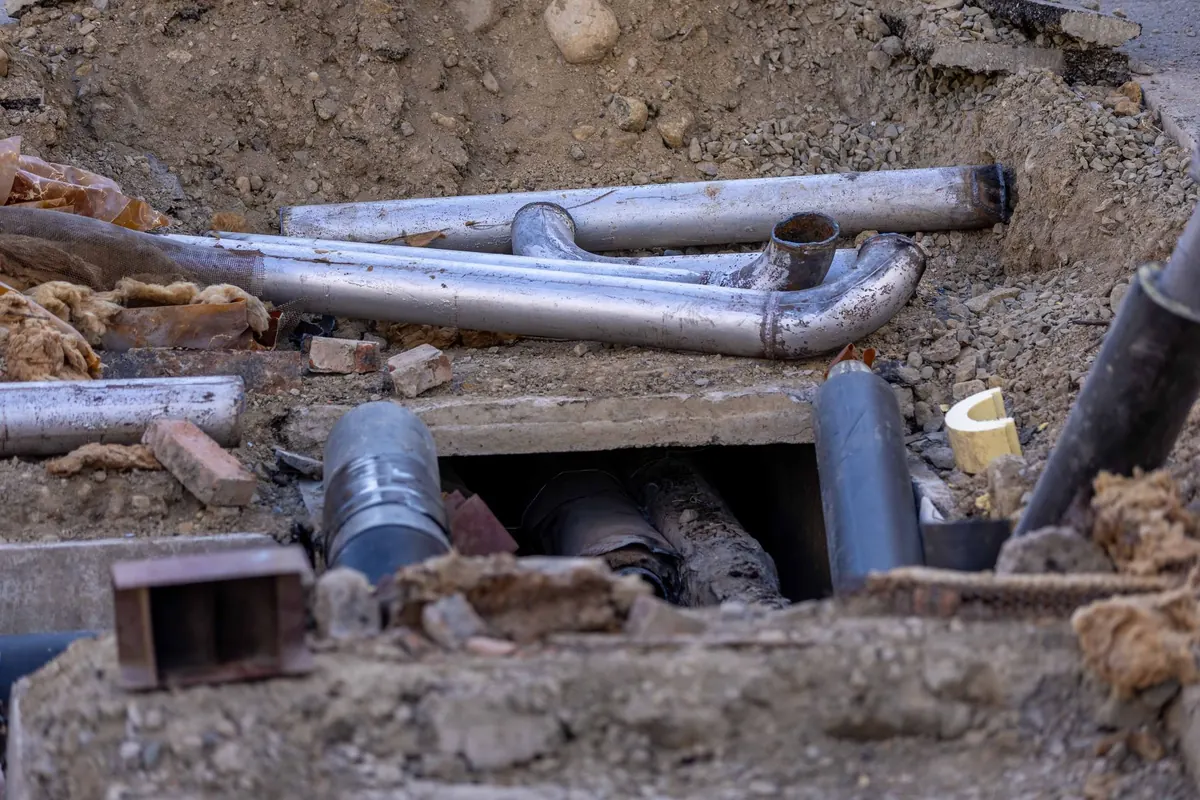
On a single plot, the question is whether you can connect to mains water, electricity, gas and drainage at a sensible cost. A metre of new mains sewer can run into serious money, and a connection point across a neighbour's land means negotiating an easement.
On a development site, the question becomes capacity rather than connection. One dwelling needs a supply; twenty dwellings need a network, and possibly a new pumping station, an attenuation pond or off-site highway improvements. These costs land on the developer, and they are frequently underestimated at the bidding stage.
Ground conditions affect both, but the sums scale. Contamination, old mine workings, shallow water tables, protected trees and flood zones all add cost. A single house may absorb these; a larger site may not, unless density and price can carry them.
Single plots are usually valued by comparison: what did similar plots nearby sell for, adjusted for size, aspect, permission and services. Where a plot has consent for a house, a valuer will also test the figures the other way round, taking the finished value of the house and deducting build costs and a margin.
Development sites are valued by residual appraisal. Start with the gross development value of everything you intend to sell, then deduct build costs, professional fees, finance, section 106 and CIL, highways and utility works, marketing, contingency and developer profit. What remains is the amount available for the land. Because the deductions are large, a small change in build cost or profit margin swings the land value dramatically — which is why developers appear to offer modest sums for land that looks valuable.
An acre with permission for ten homes is not worth ten times an acre with permission for one. Density, unit mix, affordable housing requirements and infrastructure costs all move the numbers. Comparing sites on a per-acre basis is a shortcut that misleads more often than it helps.
Choose a single building plot if you want to build a home to live in, or one house to sell, and you would rather manage a straightforward project than a planning negotiation. You get more certainty, simpler finance and no responsibility for roads, drainage networks or affordable housing. The trade-off is that you pay a premium per unit for that certainty.
Choose a development site if you have access to development finance, experience of running a scheme, patience with conditions and the ability to hold the land while consents are discharged. The margin is there, but so is the exposure. Sites sold without permission are a different proposition again: you are buying a planning argument, and you should price it as one.
Whichever route you take, treat the legal and planning work as part of the purchase price rather than an optional extra. Most of the money lost on land is lost in the weeks before exchange, when the questions were obvious and nobody asked them.
Photo: PeterDargatz / Pixabay

Turning garden land into a building plot hinges on planning policy, access, services and neighbour objections — most...
A practical breakdown of the costs and connection processes for water, electricity, drainage and broadband on a...
Landlocked plots have no automatic right of access. Here is how easements, rights of way, prescriptive claims and...

Find the right plot for your project.